Let’s take a real situation many expats in Dubai and Abu Dhabi face.
Ahmed works in Dubai and earns AED 5,000 per month. Due to high rent, school fees, and daily expenses, he started using his credit card regularly. Within a year, his outstanding balance reached AED 12,000.
Now the real problem begins:
- Monthly minimum payment: AED 600–800
- Interest rate: 35%+ annually
- Salary barely covers expenses
Even after paying every month, his debt is not reducing.
👉 This is where balance transfer credit cards in UAE can be a lifesaver.
If used smartly, they can help you:
- Reduce interest to 0% for a few months
- Pay off debt faster
- Reduce financial stress
Let’s understand everything step-by-step in simple language.
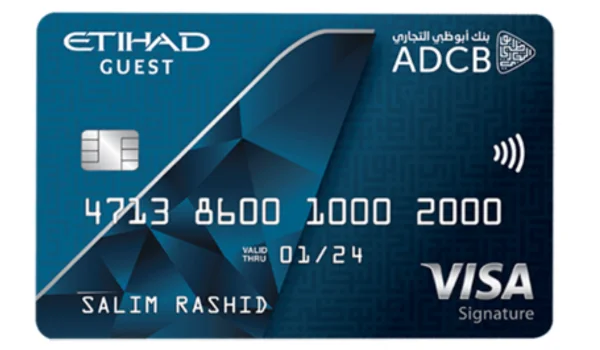
What is a Balance Transfer Credit Card?
A balance transfer means:
👉 You move your existing credit card debt from one bank to another bank offering lower or 0% interest for a limited time.
Simple Example:
- Old credit card debt: AED 10,000 (interest 35%)
- New bank offers: 0% interest for 6 months
👉 You transfer AED 10,000 to new card
👉 Now you pay without interest for 6 months
This gives you breathing space to clear your debt.
How Balance Transfer Works in UAE (Step-by-Step)
Step 1: Apply for a Balance Transfer Card
Choose a UAE bank offering:
- 0% interest period (3, 6, or 12 months)
- Low processing fee (usually 1%–3%)
Step 2: Request Transfer
After approval:
- Ask the new bank to pay your old credit card dues
- Amount gets transferred directly
Step 3: Repayment Period Starts
Now you repay the new bank in:
- Monthly installments (EMI)
- Or lump sum before offer ends
Step 4: Clear Before Offer Ends
👉 If not paid within offer period:
- High interest (30%+) starts again
Key Features of Balance Transfer Cards in UAE
- 0% interest for limited time
- Fixed monthly payments
- Processing fee applies
- Available for salaried individuals (usually AED 3,000–5,000 minimum salary)
Comparison: Normal Credit Card vs Balance Transfer
| Feature | Normal Credit Card | Balance Transfer Card |
| Interest Rate | 30%–42% | 0% (limited time) |
| Monthly Payment | Minimum due trap | Fixed EMI |
| Debt Reduction | Very slow | Faster |
| Stress Level | High | Lower |
| Fees | Interest + late fee | Processing fee |
Real UAE Example
Case 1: Without Balance Transfer
Rahul in Abu Dhabi:
- Debt: AED 15,000
- Interest: 36%
- Monthly payment: AED 800
👉 After 6 months, debt still around AED 13,500
Case 2: With Balance Transfer
- Transfers AED 15,000 to 0% card (6 months)
- Pays AED 2,500/month
👉 Debt cleared in 6 months
👉 Saves thousands in interest
Benefits of Balance Transfer Cards
- Save Huge Interest
You avoid high UAE interest rates temporarily.
- Faster Debt Clearance
Fixed EMI helps you finish debt quickly.
- Better Financial Control
No more confusion of multiple cards.
- Mental Relief
You know exactly:
- How much to pay
- When you’ll be debt-free
Important Costs You Must Know
Even though interest is 0%, it’s not completely free.
- Processing Fee
Usually:
- 1% to 3% of transfer amount
Example:
AED 10,000 transfer → AED 100–300 fee
- Late Payment Fee
Missing EMI can:
- Cancel 0% offer
- Add heavy penalties
- Early Settlement Charges (Sometimes)
Some banks charge small fee if you close early.
Mistakes to Avoid (Very Important)
❌ Using old credit card again after transfer
❌ Not paying EMI on time
❌ Ignoring processing fees
❌ Taking bigger transfer than you can repay
❌ Not reading offer terms
👉 Biggest mistake:
Thinking balance transfer = free money
Insider Tips (Used by Smart Expats)
✔ Choose longer tenure (6–12 months) for comfort
✔ Calculate EMI before applying
✔ Close old credit card if you lack discipline
✔ Keep only 1 active card
✔ Use salary increments/bonuses to repay faster
How to Choose the Best Balance Transfer Card in UAE
Before applying, check these:
- Interest-Free Period
Longer is better (6–12 months ideal)
- Processing Fee
Lower fee = more savings
- Monthly EMI Affordability
Don’t take EMI more than 30–40% of your free income
- Bank Reputation
Choose trusted UAE banks
Who Should Use Balance Transfer?
✔ People stuck in high-interest credit card debt
✔ Expats struggling with multiple cards
✔ Salaried individuals with stable income
Who Should Avoid It?
❌ People with irregular income
❌ Those who keep overspending
❌ If you cannot commit to EMI discipline
Real-Life UAE Scenario
Priya (working in Dubai, salary AED 6,500):
Problem:
- 2 credit cards
- Total debt: AED 18,000
- Paying minimum due
Solution:
- Took balance transfer (9 months)
- Paid AED 2,000 monthly
👉 Cleared full debt before deadline
👉 Saved around AED 3,000–4,000 interest
Step-by-Step Action Plan
If you are in debt right now, follow this:
Step 1:
Check total credit card outstanding
Step 2:
Calculate how much EMI you can afford
Step 3:
Find a 0% balance transfer offer
Step 4:
Transfer only required amount
Step 5:
Stop using old credit cards
Step 6:
Pay EMI on time every month
FAQs: Balance Transfer Credit Cards UAE
- Is balance transfer really 0% in UAE?
Yes, but only for a limited period. Processing fee still applies.
- Can I transfer full credit card balance?
Yes, usually up to 75%–90% of your credit limit.
- What happens if I miss EMI?
- 0% offer may cancel
- High interest starts
- Late fees apply
- Can I use the new card for shopping?
Yes, but not recommended until debt is cleared.
- How long should I choose for repayment?
Choose 6–12 months based on your salary and expenses
Final Conclusion: What You Should Do Next
If you are stuck in credit card debt in UAE, balance transfer can be a powerful solution—but only if used wisely.
Your Action Plan:
✔ Calculate your total debt today
✔ Find a suitable balance transfer offer
✔ Transfer your balance to 0% card
✔ Stop unnecessary spending
✔ Pay fixed EMI every month
✔ Clear full amount before deadline
Final Thought
A balance transfer is not a magic solution—it is a second chance.
If you use this chance properly:
👉 You can become debt-free within months
If not:
👉 You may fall into an even bigger trap
Be disciplined, stay focused, and take control of your finances today.
