Let’s start with a situation many expats face in Dubai and Abu Dhabi.
Suresh, an expat working in Dubai, earns AED 6,000 per month. He uses his credit card regularly—shopping, fuel, online orders. Sometimes he pays on time, sometimes he delays. A few times, he only paid the minimum amount.
After 2 years, he decides to apply for:
- A personal loan
- Or maybe a car loan
But the bank rejects his application.
Why?
👉 His credit score is low
This comes as a shock because he never thought his credit card usage could affect his financial future so much.
What is a Credit Score in UAE?
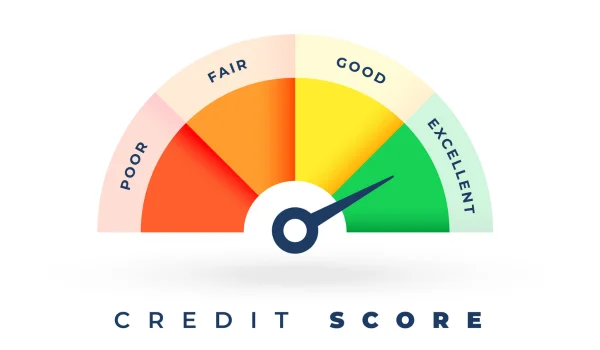
In the UAE, your credit score is managed by the Al Etihad Credit Bureau.
Simple Meaning:
👉 A credit score is a number (usually between 300–900) that shows how trustworthy you are with money.
- 700+ = Good
- 750+ = Very good
- 800+ = Excellent
Banks in UAE check this score before:
- Giving loans
- Issuing credit cards
- Approving car finance
- Even renting sometimes
How Credit Cards Impact Your Credit Score
Your credit card behavior plays a major role in your score.
Let’s break it down step-by-step in simple language.
- Payment History (Most Important Factor)
👉 This is the biggest factor affecting your credit score.
What banks check:
- Do you pay on time?
- Do you miss payments?
Real UAE Example:
Ahmed in Abu Dhabi:
- Missed 2 payments
- Paid late 3 times
👉 His credit score dropped significantly
Rule:
✔ Always pay before due date
✔ Even 1 late payment can hurt your score
- Credit Utilization (How Much You Use)
This means:
👉 How much of your credit limit you are using
Example:
- Credit limit = AED 10,000
- Spending = AED 8,000
👉 Utilization = 80% (Very high)
Ideal Rule:
👉 Keep usage below 30%
| Credit Limit | Ideal Usage | Risky Usage |
| AED 10,000 | AED 3,000 | AED 8,000 |
| AED 5,000 | AED 1,500 | AED 4,000 |
Why it matters:
High usage = banks think you depend too much on credit
- Minimum Payment Trap
Many UAE residents think:
👉 “Paying minimum due is enough”
But this is dangerous.
Impact:
- You pay interest
- Your debt increases
- Your score can go down
Smart Rule:
✔ Always pay full amount, not minimum
- Number of Credit Cards
Having multiple cards is common in UAE because banks offer:
- Cashback
- Airport lounge access
- Free joining offers
But too many cards can hurt your score.
Example:
Ravi (Dubai):
- 4 credit cards
- Hard to manage
👉 Missed payments → score dropped
Rule:
✔ Keep only 1–2 credit cards
- Credit History Length
👉 The longer your credit history, the better
Example:
- Old card (5 years) = good
- New card (3 months) = less impact
Tip:
✔ Don’t close your oldest card unless necessary
- Hard Inquiries (Too Many Applications)
Every time you apply for:
- Credit card
- Loan
👉 Bank checks your credit report
This is called a hard inquiry
Problem:
Too many applications in short time = score drops
Example:
Ali applied for 5 cards in 2 months
👉 Score decreased
- Outstanding Debt
Higher debt = lower score
Example:
Salary: AED 5,000
Debt: AED 20,000
👉 Banks see this as risky
Comparison: Good vs Bad Credit Card Behavior
| Good Habits | Bad Habits |
| Paying full amount | Paying minimum due |
| Paying on time | Late payments |
| Using <30% limit | Maxing out card |
| 1–2 cards | 3–5 cards |
| Rare applications | Frequent applications |
Real UAE Case Study
Case 1: Poor Credit Management
Naveen (Dubai):
- Salary: AED 5,500
- Used 90% limit
- Missed payments
👉 Score dropped below 650
👉 Loan rejected
Case 2: Smart Credit Use
Same person after improvement:
- Paid full dues
- Reduced usage to 30%
- Stopped new applications
👉 Score improved to 720+ in 8 months
Why Credit Score Matters in UAE
Many people ignore this, but it’s very important.
A good score helps you:
✔ Get loans easily
✔ Lower interest rates
✔ Higher credit limits
✔ Faster approvals
A bad score leads to:
❌ Loan rejection
❌ High interest rates
❌ Financial stress
Practical Tips to Improve Credit Score
- Pay Bills On Time
Set reminders or auto-debit
- Reduce Credit Usage
Try to stay below 30%
- Avoid Minimum Payments
Always clear full balance
- Limit Credit Cards
Stick to 1–2 cards
- Check Your Credit Report
You can check from Al Etihad Credit Bureau
- Don’t Apply Frequently
Wait before applying for new cards
Common Mistakes UAE Expats Make
❌ Ignoring credit score
❌ Paying late due to salary delays
❌ Using full credit limit
❌ Taking multiple cards for offers
❌ Not tracking expenses
Insider Advice (Very Useful)
✔ If salary is delayed, keep emergency buffer
✔ Use credit card only for planned expenses
✔ Call bank if you cannot pay (don’t ignore)
✔ Turn on SMS alerts
✔ Review monthly statements
FAQs: Credit Score & Credit Cards UAE
- What is a good credit score in UAE?
700+ is good, 750+ is very good.
- Does checking my score reduce it?
No. Checking your own score does not affect it.
- How long does it take to improve credit score?
Usually 6–12 months with good habits.
- Is closing a credit card good or bad?
It depends. Closing old cards may reduce score.
- Can late payment be removed?
Usually no, but consistent good behavior improves score over time.
Final Action Plan: What You Should Do Next
If you want a strong financial future in UAE, follow this:
Step-by-Step:
- Check your credit score today
- Pay all dues on time (no exceptions)
- Keep usage below 30%
- Avoid unnecessary credit cards
- Stop minimum payment habit
- Track spending monthly
Final Thought
Your credit card is not just a spending tool—it is a financial reputation builder in UAE.
👉 One mistake can hurt your score
👉 But consistent discipline can improve it
If you manage your credit card wisely:
- You get better financial opportunities
- You avoid stress
- You build a secure future
Start today. Small changes can make a big difference in your credit score.
